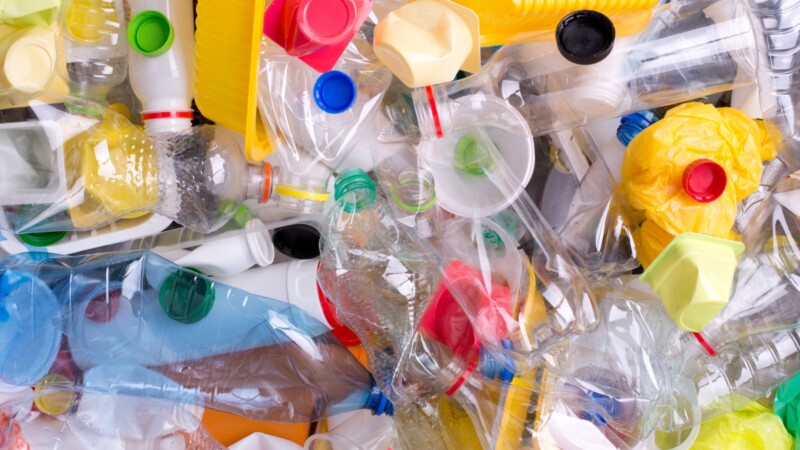
(NC) The idea of throwing something out and having it end up in an enormous landfill pile doesn’t sit well with many Canadians. An initial instinct is to simply use more recyclable items, or at least make sure that more items end up in the blue bin for collection. But that’s not always the right answer—it’s important to know what can actually end up as recycled material.
How does plastic recycling work?
According to data from Statistics Canada, we discard over 5,000 kilotonnes of plastic each year—that’s more than five billion kilograms. Of that, about 20 per cent ends up being collected for recycling. The recyclable plastic in your blue bin goes through several stages:
- Crews collect it and bring it to a materials recovery facility (MRF).
- Paper, metal and plastics are sorted out from each other.
- Plastics are sorted by type using optical sensors and packaged into bales of fragments.
- A recycler takes the bales and sorts the plastics further.
- They’re cleaned, melted and turned into pellets, which can be used to make new plastic items.
It’s a complicated process, and things can go wrong. Non-recyclable contaminants must be filtered out for the plastic to be usable—most comes from items being put in blue bins that shouldn’t be there. Black plastics and soiled containers are difficult for the optical sorting sensors to detect and often get filtered out.
Canada’s industries are working to make recycling more effective through initiatives like the Canada Plastics Pact. It’s an organization working to lower plastic waste and create a circular economy for plastic packaging. This includes making more packaging recyclable, as well as designing containers that can be reused or refilled.
There have been measurable results from many members of the pact, including its founders. For example, Loblaw switched from black plastics to recyclable pigments in its containers, simplified the materials it uses and redesigned its packages to reduce unnecessary components. As a result, 95 per cent of the packaging for its house brands and in-store prepared items meets the pact’s rules for improving recyclability.
Can you help more plastic make it to recycling?
There are some simple things you can do at home to make your effort at the blue bin go farther, such as:
- Flatten your plastic bottles. This helps them travel more easily through automated equipment. It’s important to make sure they’re flat and skinny, not short and stout—don’t just crush the bottle straight down. Tightening the cap or lid helps it get sorted properly despite its small size, plus it helps the bottle stay flat.
- Be careful what you put in the bin. Adding contaminants to the plastic stream can result in whole batches of plastic having to be thrown out. Avoid having cords, hoses, wires or plastic bags in the blue bin; they can get caught in the sorting machinery.
- Always check what can be recycled. Not every plastic can be used, and “wishcycling” the wrong items can result in good plastics getting removed during sorting. It’s important to check what items are accepted in your area, because it can vary.
Recycling is a more complicated and delicate process than many of us give it credit for. Done well, it can help keep valuable materials in circulation and reduce waste, but getting there will take all of us working together. You can learn more about plastic recycling at loblaw.ca/en/plastics.