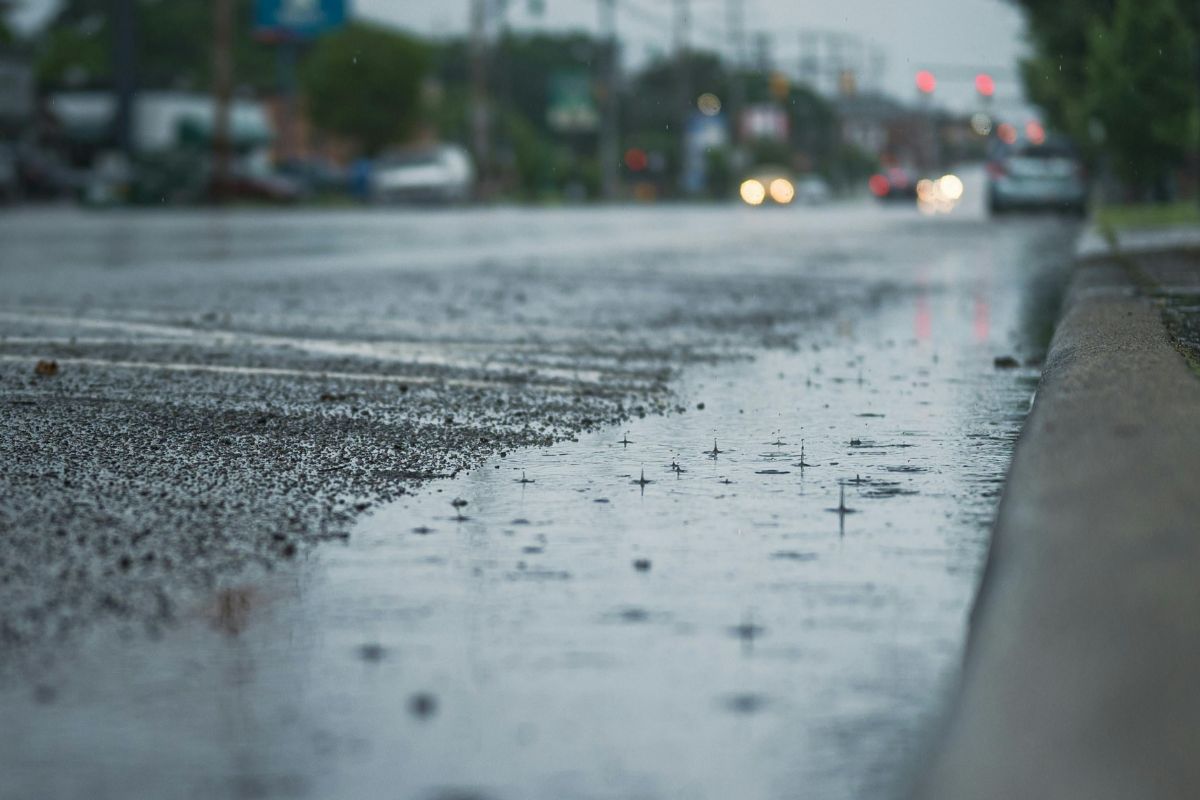
(NC) When it comes to road safety in Canada, most of us think of icy roads and winter whiteout conditions. But summer driving can be just as dangerous, especially during heavy rain—one of the most underestimated seasonal hazards. The culprit? Hydroplaning.
“As our technicians often point out, hydroplaning can happen even when drivers feel in control,” says Brian Mielko, the CEO of OK Tire. “It occurs when water builds up faster than your tires can push it away. Your vehicle can ride on a thin layer of water, reducing steering, braking, and overall control. That’s why proper tread depth is so critical, especially in heavy rain.”
Tire treads are engineered for safety.
The grooves and channels in your tires are specifically created to move water away from the tire’s “contact patch”—the part that grips the road. The deeper the grooves, the more effectively they disperse water.
Driving wears the tread down over time, and those channels become shallower. That makes them less able to clear water quickly, which increases your risk of hydroplaning.
Try the quarter test at home.
Here’s a 10-second safety check from the experts at OK Tire that you can do today: Insert a Canadian quarter into a tread groove with the caribou’s nose facing downward. If you can see the top of the head, your tread is worn to roughly 4/32 of an inch, and it’s time to start thinking about replacement.
The legal minimum tread depth in many provinces is around 2/32 of an inch, but safety experts recommend replacing tires closer to 4/32 for wet conditions. That small difference in depth can significantly improve stopping distance and water evacuation on rain-slicked roads.
Take care of your tires and they’ll take care of you.
Tread depth isn’t the only factor to watch out for. Uneven tread wear—more worn on one side, in the centre or in patches—can be a symptom of alignment, suspension or inflation issues. If any of these problems go unaddressed, they can shorten the life of your tires and compromise your stability and handling in an emergency.
That’s why it’s important to maintain your tire pressure, book seasonal inspections and rotate your tires when you change them. Heavy rain makes for a riskier drive than many people expect, but by keeping on top of your tire maintenance you’ll be prepared when the rubber hits the road.