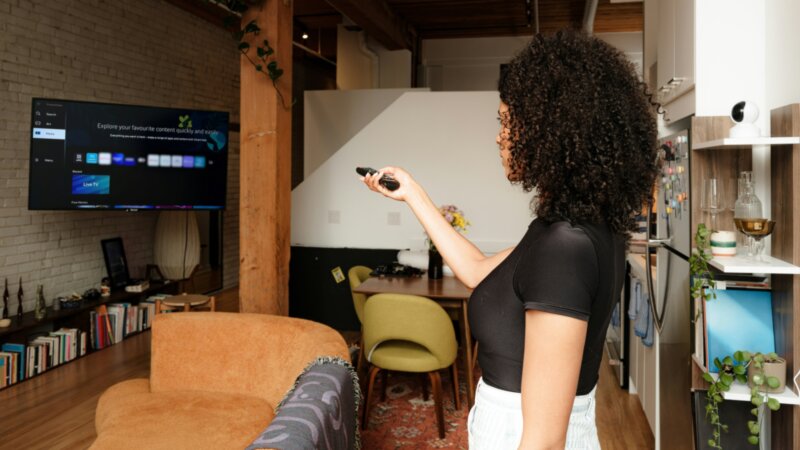
(NC) How old is the smart home? People have been able to use technology to take care of household tasks for decades, but what the threshold is between appliances that take on work and what we understand as a smart home is harder to nail down. Part of the problem is thinking just about devices and not looking at the whole.
Your ecosystem is the key. What truly brings a smart home together is its ecosystem: how the different devices integrate and communicate with you and each other. A full-home smart system, like Samsung’s SmartThings, lets your home operate and communicate as one unit, instead of a collection of devices.
It lets devices coordinate for quality of life improvements. For example, your smart lights and thermostat can adjust together, creating an environment that reacts to your needs and learns your routine.
To take another example, if you have smart kitchen appliances, like those in Samsung’s Bespoke AI line, your system links them and lets you interact with them, even if you’re not home. Your fridge can suggest a recipe for tonight based on what you have in stock. Then, the system can control and pre-heat your oven automatically, based on the recipe.
Smart devices are tools, not toys. The novelty of being able to text your washer-dryer to ask how much time is left on the load is exciting, but it’s a real, practical benefit to have. By learning your habits and being able to sense what’s being loaded into them, smart appliances can take on much of the mental load that goes into running your home. They can save you time by avoiding unnecessary manual steps and let you just enjoy life seamlessly at home.
Home appliances have always been meant to reduce human labour. The difference today is in the additional mental work they’re able to save, along with time and energy. By focusing on how they interact and work together, you can make your smart home even smarter.