(NC) Whether you work outside or like being active outdoors, extreme heat can put you at risk for heat illnesses, which can lead to long-term health problems and even death. Taking simple precautions can help keep you safe while being physically active outdoors.
Know your risk
In hot weather, everyone has a higher risk of dehydration and heat illness. Heat illnesses include heat stroke, heat exhaustion, heat fainting, heat edema (swelling of hands, feet and ankles), heat rash and heat cramps (muscle cramps). They’re mainly caused by overexposure to extreme heat or overexertion for a person's age and physical condition.
Recognize the warning signs
Watch for symptoms of heat illness, which include: dizziness or fainting, nausea or vomiting, headache, extreme thirst and unusually rapid breathing and heartbeat.
If you experience any of these symptoms during extreme heat, immediately move to a cool place and drink water.
Heat stroke is a medical emergency. If you’re caring for someone, such as a running partner, who has a high body temperature and is either unconscious or confused, call 911 or your local emergency number immediately.
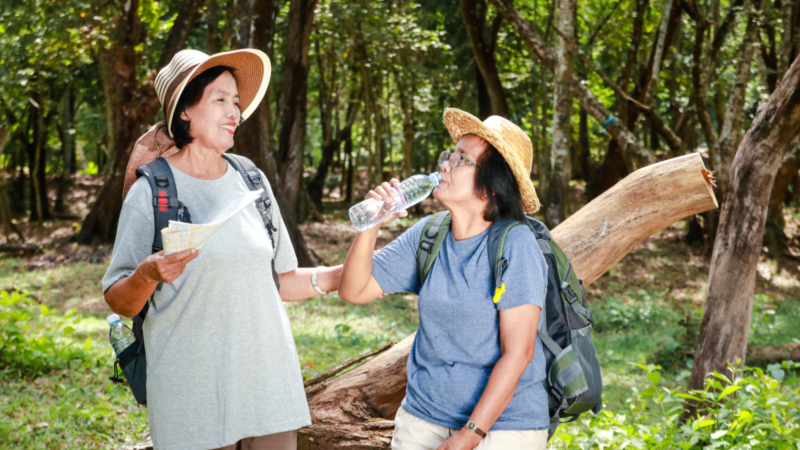
Drink water before, during and after activity
Thirst isn’t a good indicator of dehydration—by the time you feel thirsty, you’re already dehydrated.
- Drink plenty of water before, during and after being physically active.
- Wear loose-fitting, light-coloured clothing made of breathable fabric.
- Increase your comfort by splashing yourself with cold water.
Plan and adjust your activities
If you can, reschedule strenuous outdoor activity to a cooler part of the day or another day. Move into the shade, drink water and remove gear such as a helmet or equipment to let your body cool off.
Remember: Try not to expect the usual performance from yourself during extreme heat.
Help your body recover
After working or being active in extreme heat, allow your body to recover after heat exposure. Spend time in a cooler tree-shaded area or somewhere that's air-conditioned, such as your home, a shopping mall, grocery store, public building or public library.
Whether you’re working or spending time outside, planning ahead and paying attention to how you feel can help keep you safe in extreme heat. You can learn more at canada.ca/heat.